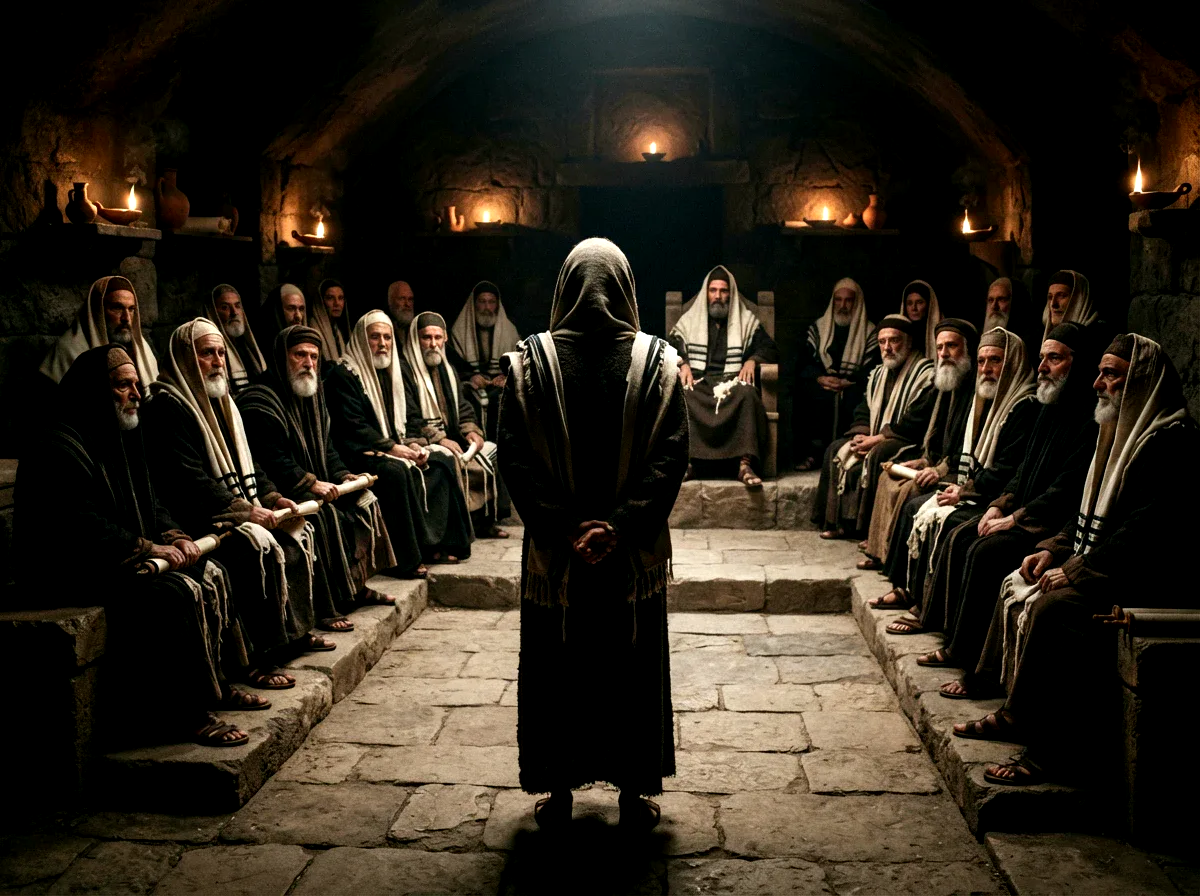
A Jew Called Jesus God — And Jesus Didn't Correct Him
You May Not Know This About Jesus
Life of Jesus
"Thomas said to Him, 'My Lord and my God.'"
— John 20:28
All the evidence Thomas demanded
evaporated the moment Jesus stood before him—
fully alive,
fully engaged,
fully God.
Filled with awe,
Thomas boldly declared,
"My Lord and my God."
Some have taken his words as a startled exclamation.
The way someone might blurt out
a phrase after finding a lost object.
But that misunderstands four things—
and each one matters.
• The Moment
• The Man
• The Language
• The culture
The moment:
Thomas wasn't reacting to a surprise.
He was standing before the risen Christ—
wounds visible,
voice familiar,
presence overwhelming.
His words weren't accidental;
they were the only words that fit the moment.
The man:
Thomas was a devout Jew.
Jews did not use God's name casually.
They avoided even pronouncing it in daily speech.
If he said it,
he meant it.
The language:
"Ho kurios mou kai ho theos mou"
literally means,
"My Lord and my God."
It is the Greek form of direct address—
spoken to Jesus, not about Him.
The grammar itself rules out the exclamation theory.
Thomas is addressing Jesus personally.
The culture:
Calling a human being "my God" would be blasphemy
unless the person truly shared God's identity.
Any rabbi would correct it instantly.
But Jesus doesn't correct Thomas.
He affirms him:
"Because you have seen Me, you have believed."
John begins his Gospel with,
"The Word was God,"
and ends with a devout Jew looking at
the risen Jesus and saying,
"My Lord and my God."
You may not know this about Jesus:
He received Thomas’s worship
without correcting a word.
Thomas wasn't blurting.
He was confessing.
He was worshiping.
And Jesus received every word.
Irrefutable proof that The One before Thomas was truly God.
Pass it on